Showing posts with label AgBC's. Show all posts

Monday, August 15, 2011

AgBC's: Z is for BuZZZZZ

I love being outdoors and hearing all the sounds during the warm summer months—including the buzz of the insects. Bees certainly aren't the only insects that buzz, but they are certainly the 1st insect that pops to mind when we think of buzzing, aren't they?


Photo from the Honeybee Conservancy


But did you know there are a whole host of bee species in addition to the honeybees and bumblebees we normally think of? There are 4,000 known species of bees native to the United States. Some of their common names include plasterer, leafcutter, mason, carder, digger and carpenter. Others earned their names by lapping up perspiration or humming loudly as they fly. 


Want to know how you can meet science standards for your students by teaching them about bees? Check out this archived video.


Learn how pollinators, particularly bees, can be used to teach standards-based science and get students actively engaged with their work and the outdoors.
This is the second of two Web Seminars in a series from PollinatorLIVE. The presentation includes a definition of pollinators and the tasks they perform as well as information about Bee Hunt—a program that allows educators to access and contribute to a large cache of images of various species of pollinators from across the country. You can also comprehensive curriculum for grades 3-6 that addresses plant pollinator relationships and related concepts and the Zaagkii Wings & Seeds Project.

Monday, August 8, 2011

AgBCs: Y is for Yams

Yams aren't just for holiday meals—they are fun for science, too!


Even though most Americans use the terms interchangeably, did you know yams and sweet potatoes are not the same thing? In fact they are not even related. Who knew, right?


Although yams and sweet potatoes are both angiosperms (flowering plants), they are not related botanically. Yams are a monocot (a plant having one embryonic seed leaf) and from the Dioscoreaceae or Yam family. Sweet Potatoes, often called ‘yams’, are a dicot (a plant having two embryonic seed leaves) and are from the Convolvulacea or morning glory family.


Want to have some REAL fun with yams? Try out this lab for converting the starch in yams to sugar. Pretty cool, huh?

Monday, August 1, 2011

AgBCs: X Marks the Barn Spot

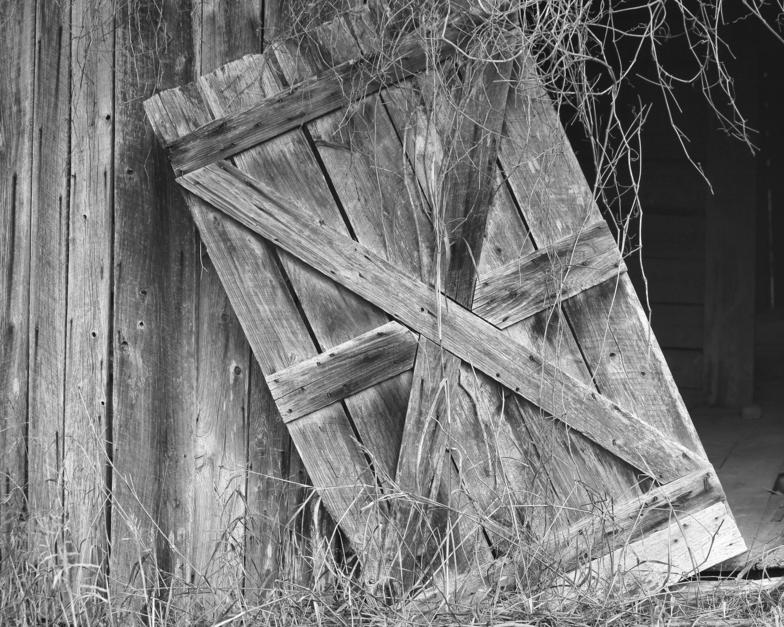
I have to admit, the X letter of our AgBCs series had me stumped—until I saw a barn door like this:


Photo from Mike Gilliam photography.
Barns are an integral part of any livestock operation, providing protection and shelter for the livestock as well as farm supplies and equipment. Historic barns are not just rural relics, they are important tangible reminders of Ohio's rural heritage. Many barns and other older farm buildings can be rehabilitated to accommodate modern farming practices. The Ohio Historic Preservation Office and the Ohio State Extension encourage owners to maintain their historic buildings for future generations to use and appreciate. Check out the Barn Again program for more information on restoring historic barns.


Barns provide insight into the history and heritage of our early farmers. And they continue to provide learning opportunities today. Have you heard of Ohio's quilt barns? They offer a fun and scenic way to learn about not only various types of barn architecture but also quilting patterns.


And here in our part of Ohio, barn raisings are also an important part of the Amish community. Maybe your students can take their lead from Crayola and combine a lesson about the Amish culture with this fun barn raising project.


Have fun with learning about the history of barns!

Monday, July 25, 2011

Smart Stuff with Twig Walkingstick:Tomato Splatability


Twig Walkingstick lives in and around the Wooster campus of the Ohio Agricultural Research and Development Center. His alter ego is Kurt Knebusch, one of our super-talented writers and editors on campus. Each month, look for Twig to answer a reader questions and some additional interesting facts below. After Twig's post, we will be providing some ideas and suggestions on how to incorporate the info in Twig's column into fun science learning for your students and children.

Q. Dear Twig: Why do some tomatoes splat more when I throw them at my brother?


A. Everything else being equal - the ripeness of the tomato, how hard you throw it, what you throw it at - the type of tomato is the main thing: fresh market vs. processing.

"Your average ripe fresh-market tomato splats better than your average ripe processing type," says David Francis, a tomato breeder and geneticist at the Ohio Agricultural Research and Development Center who seems to have something in his hand there, behind his back.

"Processing tomatoes don't splat well because they're high in dry matter and soluble ["soll-you-bull"] solids," he explains while offering me some sort of visual aid that flies past my head very quickly. "What you need for a good splat is water content."

Processing tomatoes need to be dryish. They go to make ketchup, salsa and tomato sauce. You don't want that stuff runny.

Fresh-market types, though, are better when juicy. They go into salads, for instance.

"Here!" Professor Francis says as he sends another visual aid (he's very helpful) in my direction. "See for yourself!"

Splatee,

Twig

P.S. Fresh-market tomatoes are usually the kind that you cut up and put on a hamburger.

Notes:


  • Common fresh-market tomato varieties include Beefsteak and Better Boy.
  • A common processing variety is Roma, though tomato breeders such as Professor Francis continue to develop new and better varieties based on flavor, soluble solids (more soluble solids and less water makes it easier and cheaper to process a processing tomato) and how well the plants resist diseases (greater resistance can mean less or even no need to spray fungicides). Read about the work he does.
  • Soluble solids are materials (from tomatoes, in this case) that can be dissolved by or mixed into water - important if you're making, say, tomato juice and want it smooth.
Check out this fun lesson-plan for incorporating tomatoes into your healthy diet.

Tuesday, July 19, 2011

AgBCs: W is for Wool

Wool—it's the natural fiber grown from sheep. But besides keeping you warm in the winter, wool clothes can also keep you cool in the summer?


Wool is also flame resistant—it won't catch on fire. And, different breeds of sheep grow different kinds of wool. Fine wool is used to make suits, medium wool to make blankets and coarse wool is used to make carpets.


Taking a field trip to a sheep farm can be a fun way for students to learn about livestock production in Ohio. Don't know any sheep farmers? Contact the Ohio Sheep Improvement Association—or your state's organization—and they can help you connect with a sheep producer in your area. While there, ask to bring back some of the wool with you, then try this dun, "Dyed in the Wool" activity from the Ohio Sheep Improvement Association:


  • Wet the wool. Make sure it's thoroughly washed and wet.
  • Add 2 packages of sugarless Kool-Aid to a crockpot of water. You may use one package for a lighter shade.
  • Stir.
  • Add wool.
  • Turn the crochet on high.
  • When the crockpot is hot and steaming, you may turn the temperature down to "simmer" or low for 30 minutes.
  • At the end of the 30 minutes, turn the crockpot off. The dye bath should be "exhausted."
  • Now, rinse the wool and wash it with soap or detergent. Make sure the water temperature is consistent. Do not plunge the hot wool into cold water.
Have fun!

Tuesday, July 12, 2011

AgBCs: V is for Vegetables

When we think go growing vegetables, we think of soils and summer gardens. But have you ever considered learning more about how vegetables are grown hydroponically? In water?


Here's a look at how some of our OARDC researchers are investigating hydropnic production:


Do hydroponic vegetables sound cool to you? Here are a ton of fun lesson plans for incorporating hydroponics into your science lessons. 


Enjoy!

Tuesday, July 5, 2011

AgBCs: U is for Urban

Think agriculture is just in the country? Think again? As our population grows along with interest in local food, so does the interest in urban agriculture. Here's what one of our own researchers here at OARDC has to say about urban agriculture:


Tuesday, June 21, 2011

AgBCs: Terrific Tomatoes

It's the most popular edible plant grown in the home garden. The National garden Bureau has even designated this year as the year of the tomato. Who knew, right?


But what most Ohioans don't know is that Ohio is a tomato mecca, ranking second nationwide in tomato production. Tomatoes are even Ohio's official state fruit. And our state drink? Tomato juice.


Want to have fun learning more about tomatoes? Check out Ohio State's interactive tomato model.


Want to learn even more cool tomato facts? See what OARDC scientist Esther van der Knapp is doing with her award-winning research on the shape of tomatoes.


Tuesday, June 14, 2011

AgBC's: S is for Sensational Soil

Soil is so important, yet we hardly think about it! Soil anchors plant roots, holds water for plants, and even provides air spaces for plant roots to grow.


Image from the Extreme Pumpkin Store


But for all that, did you know soil is basically made of of 3 sizes of particles? Sand is the larges, clay is the smaller, and silt falls in the middle size-wise. The proportion of each of these particles varies from soil to soil, giving each soil unique characteristics. Some solid drain more quickly (sand), while others hold water or become saturated with water (clay). Many plants, trees and shrubs prefer to grow in a balanced mixture of these particles called "loam." Loamy soils hold a moderate amount of water, air and nutrients while supporting the plant.


A vineyard in Lake County, Ohio


Because characteristics of the soil can affect plant growth, farmers and gardeners often test soil to determine if it's good for growing specific plants. Two such simple tests include the ribbon test and the "soil shake" test. The results are a good predictor of whether or not the soil is good for growing specific plants. More accurate assessments can be sent to soil testing labs, and today it is increasingly common for farmers to have their cropland grid sampled and have the results of their soil testing GPS mapped to improve the efficiency of their farming operations.


Here are some simple instructions for conducting the ribbon and "soil shake" tests with your students:


  • Ask the students if they've ever heard of the ribbon test. The explain that is can help determine what kinds of particles are in their soil. 
  • Demonstrate the text by moistening a handful of garden soil or silt in the palm of your hand until it has the consistency of putty. Work the soil into a ball about 1/2" in diameter. Press the ball between your forefinger and thumb to form a ribbon (see below).
  • If the soil will not form a ribbon, it is sand. If it makes a ribbon 1-2 inches long, it is loam. Ribbons longer and 2 inches are clay. Here is a more detailed description.
  • Explain that each of the three types of soil particles forms a different type of ribbon. Repeat the test with clay and sand.
  • Ask the children to describe the difference between the three ribbons.
  • Pass out different kinds of soil without telling the students what soil type they have; let them each conduct their own ribbon test and hypothesize about what type of soil they have.
Making a soil ribbon.
Students can also conduct a "soil shake" test:
  • Fill a jar 1/3 full with soil.
  • Fill the jar 1/3 full with water.
  • Add a tablespoon of alum (alum speeds the settling process and can be found in the spice section of the grocery store.
  • Ask the children to predict what will happen when the jar is shaken. 
  • Divide the children into groups of 3-4. Ask them to collect soil from outdoors or give them some soil you have collected.
  • Tighten the lid and shake for 3 minutes. Make sure all the lumps have broken apart. Tell the children to observe the jar after 30 seconds, 1 minute, 2 minutes and 3 minutes and write down what they observe.
  • Have them report their findings to the class. Discuss how the soil separates by particle size and identify the particles int he layers they see. The larger sand particles will be on the bottom, with the silt in the middle and any clay particles on top.
For more fun, investigate what kinds of plants grow best in various kinds of soil.

Tuesday, June 7, 2011

AgBC's: R is for Roots

Last week we talked about ducks and their wetland habitats. But did you know one of the other important functions of wetlands is that they help to stabilize the soil and hold it in place? This  helps to prevent erosion and trap sediments, which helps to create a rich, fertile habitats for plants and animals. But how do they do this?


The roots of the plants in this interior wetlands in North Carolina help protect the soil.
Photo from the National Oceanic & Atmospheric Administration.


The roots of wetland plants play a critical role in protecting the soil from erosion and keeping it in place. Want to see hands-on for yourself if and how roots hold soil in place? Try this simple experiment. Here's what you'll need:


  • 5 radish seeds
  • 5 mustard seeds
  • 2 glass or plastic contains, about 1-cup volume
  • earth/soil free from lumps
  • water
Fill both containers roughly 2/3 full of soil. Then plant the radish seeds in one container and the mustard seeds in the other. Cover the seeds very, very lightly with soil. Add 1/4 cup water to each container and place in a sunny area or near a bright light. Make sure the soil stays slightly damp.

After 2 weeks, empty the container with the radish seeds onto some newspaper. Do the same with the mustard seed container. What shape does the soil have? Why? Talk about the impact of this discovery. What would happen to the soil if a fire burned all the plant material from a hillside if there was a heavy rain?

Students will have fun with this simple experiment, and you will, too!

Tuesday, May 31, 2011

AgBCs: Q is for Quack

Quack, quack! There are lots of cool resources available for learning about ducks! Now duck farming is not a HUGE business here in Ohio, but it IS in our neighboring state of Indiana. But not only do farmers raise ducks on farms, here at OARDC we do a lot of research about natural resources and the environment, and ducks are a key component of our natural environment—especially wetlands!

This photo of Brian Blight Canvasbacks is from the Ohio Department of Natural Resources
Did you know wetlands rank with tropical rain forests in the diversity and productivity of plants and animals that they support? Or that they are found in every part of the world except Antarctica? Mammals, birds, amphibians, reptiles, fish and invertebrates all use wetlands for food, water, breeding and nesting grounds, resting areas and shelters.

This photo of ducks in a wetland habitat is from the US Fish & Wildlife Service

Wetlands are the water filters of nature. Many wetland plants and animals remove harmful impurities from our water and keep it naturally clean. Some communities and businesses even use managed wetlands to purify their wastewater. And when spring runoff and heavy rains create too much water for the land to absorb, wetlands can sore that excess water and slow its flow, reducing both the risk and severity of flooding.

But despite all of these benefits (and many, many more), wetlands are also one of the world's most vulnerable and threatened ecosystems. Here at Ohio State University, we're even doing research on the differences and similarities between man-made and naturally occurring wetlands.

This photo of wood ducks in a wetland habitat is from the
US EPA & US Fish & Wildlife Service photographer Tim McCade

Considering how important wetlands are to not only animals like ducks but to our ecosystem as a whole, this may be a great area for you and the young people in your life to get involved in by participating in an action-based learning experience! These types of experience can be custom tailored and developed to your group's interests and age level:

  • Younger students may enjoy writing a poem, story or play about animals in their wetland homes, creating a poster or storybook about the wildlife who rely on wetlands or even building a diorama of a local wetland.
  • Middle elementary students can construct nest boxes, conduct a wetland cleanup, grow & plant native trees and shrubs stream side, write letters regarding a local wetland issue or share their wetland knowledge through science projects and displays.
  • Older students can build wetland trails and boardwalks, work with others to restore a wetland, research and plan ways to address a local environmental concern, or even contribute to research through bird banding.
The possibilities are limitless! There's no need to rack your brain to come up with a new and novel idea—there are many great ideas already out there. Ducks Unlimited Canada has some great ideas plus FREE educational resources and lesson plans! Local conservation groups are another great source for information on local issues and ideas.

Kids of all age will love learning about an important issue like this while "getting their hands dirty" in the process—especially when they feel like they've made a difference in the real world!

By the way, did you know May is American Wetland month? Go celebrate!

Tuesday, May 17, 2011

AgBCs: P is for Pumpkin

Did you know the pumpkin actually originated in Mexico over 9,000 years ago? American Indian tribes grew pumpkins long before any European explorers arrived in the Americas. Columbus actually carried pumpkin seeds on his return trip to Europe, but the resulting melons weren't used to feed people—they were used to feed pigs!

Pumpkins come in many varieties—including this yogurt pumpkin!

Even the early New England settlers were not big fans of using pumpkins for food—until the first long, cold winter set in and food became very scarce. Then they changed their minds in a hurry! One common cooking method wa to let the fire die down and place a whole pumpkin in the ashes. Once it was baked soft, she pumpkin was cut open and honey or maple syrup (along with some animal fat) was poured on top.

Pilgrims often cooked their pumpkins whole! You can learn how here...
The early settlers also made pumpkin pies, but they looked nothing like the pumpkin pies of today! They simply cut off the pumpkin top and scared out the seed. Then they placed apples, sugar, spices and milk inside. Finally, they put the top back on the pumpkin and baked it in the fire's ashes.

So have fun trying out some of the early recipes the Pilgrims used to cook their pumpkins, or here are some other fun ideas to try:

Pumpkin, Pumpkin: What Comes Next?
See what happens this fall after Halloween is over!


Halloween is over, so now what?
Check out these great reads on the life cycle of a pumpkin!

Smart Stuff with Twig Walkingstick: Now THAT would be a great pumpkin!
Ever wonder what would happen if there really were flying pumpkins? Get Twig's take on this unlikely phenomenon...

Monday, April 18, 2011

AgBC's: M is for Milk

Nothing goes better with cookies or cake than a nice cold glass of milk! Yum! So be sure to think of the dairy farmers of America the next time you enjoy your favorite sweet treat with a cold, refreshing class of milk!


But have you ever thought about all of the hard work that gets that milk from the farm to you? Dairy farmers don't get to sleep in on the weekends and the cows don't wait until the presents are opened on Christmas morning. Every day, every morning and every night the cows must be fed, cared for and milked. Nutritionists work hard to calculate the perfect, balanced ration to help the cows be as healthy and productive as possible.


Feed mill workers mix and deliver the feed that was made from grains grown by still more farmers. The cows are fed, the stalls are cleaned, and the cows are milked each and every day.  Decisions are made about which bulls the cows should be bred to to produce an even better generation of cows than the generation before.


Milk trucks come to collect the milk almost daily. The milk is transported to a processing facility where it is pasteurized and either bottled as fresh milk to turned into other delicious dairy products like chees, cottage cheese, ice cream, butter and more.


But did you know you can actually make milk stiff? Think about it...then check out this cool experiment on the stiffening of milk.


Interested in learning more about dairy farms? Check out these cool links:

Monday, April 4, 2011

AgBC's: K is for Kids

Looking for something fun to do with your kids? Your students? Precious little ones in your life? Bring them to the Wooster campus of the Ohio Agricultural Research and Development Center! We love having kids visit our campus to learn more about agriculture and how it impacts their lives everyday.

Not a farmer? Probably not...less than 2% of our country's population is. But did you eat today? Thank a farmer! And thank agricultural researchers like those here at OARDC for the research and technological advancements that allow Americans to enjoy the safest, most affordable, most abundant food supply in the world.

And we love to share that story with the younger generations of kids. How?


Well, we host school groups, scout packs, 4-H groups, family reunions, summer camps and all kinds of other groups on our campus for tours all the time! And what do they do and see? We have a bug zoo, animal barns, greenhouses, laboratories, an 88-acre arboretum, a bee lab, a pollinatorium and more where our researchers are happy to share the story of their work with students.


Every April, we host a special event called A Bug's World..this year held on April 13 & 14. There are many, many fabulous learning opportunities and sessions that are only available these two days. Like what? Check out the complete listing. Plus, this event is free with lots of hands-on learning. But, pre-registration is required. So go check it out today!


Then in the fall, we host a Science of Agriculture event. Like A Bug's World, this two-day event is chock-full of hands-on learning and free as well. Only this time, the focus is not just on insects...it covers all areas of agriculture. And, the event is divided into two days...the first day is for grades k-5 and the second day is designed for grades 6-12. For a look at the kinds of learning opportunities and sessions we've offered in previous years, check here.


And for those schools who don't have the funding to make the trip to our campus, we do off-site visits to schools in need as well. From preschoolers to high schoolers, we have on-site programming designed to connect with students of all ages.

Interested in learning more? Contact us to set up a visit for the youngsters in your life to learn more about agriculture on our campus today!

This series is inspired by the book The ABC's of Fruits and Vegetables and Beyond.

Monday, March 21, 2011

AgBC's: J is for John Deere

I know...not all tractors and farm equipment are John Deeres....but I was struggling coming up with a J word! No matter what particular brand of tractor farmers use, there's little doubt that production practices, technology and equipment have undergone a massive transformation in the last 100 years!


In the decades before the Civil War—a period sometimes dubbed the First Industrial Revolution—a significant number of inventions and innovations appeared, transforming American life. A telegraph system allowed information to flow from place to place more quickly than the speed of a horse. A transportation system based largely on steam power allowed goods to be shipped great distances at reduced expense. Also of great consequence was the development of the “American system of manufactures”; this system, in which individual workers were responsible for only part of a finished product, helped make store-bought goods more affordable. As a result, people began to buy goods from stores rather than making them—the American consumer was born. 

I recently stumbled across a very cool, in-depth lesson plan looking at the question of whether this time period could be dubbed an industrial revolution or a more gradual change over time.  But the part of this lesson that was most interesting to me looked at the changes in agriculture at that time. Here are some great investigations you and your students can explore together as you learn about this important time period in our nation's history:


Working as a group, ask students to indentify both the essential similarities and differences between the technology of the pre-Civil War period and that of the height of the Industrial Age. The groups can summarize their findings on this chart:


Here are some starting points for them to explore:
These changes have allowed Americans to enjoy the safest, most abundant and most affordable food supply in the world! And these technologies continue to grow and develop today, helping farmers produce more food while protecting the environment as well. In fact, click here to learn more about John Deere's precision farming practices.

This series is inspired by the book The ABC's of Fruits and Vegetables and Beyond.

Monday, March 14, 2011

AgBC's: I is for Insects

We love insects here at OARDC! In fact, we are in the process of gearing up for our annual A Bug's World celebration! Each year we host nearly 1,000 elementary students over 2 days here on our campus in April...and it's a blast!
This is such a fun, hands-on event for getting kids excited about the science of entomology...plus, it's free! This year,  in order to improve the educational experience of all of our students, we will be limiting the event to students in grades 1-3. This will allow our presenters to better target each of Ohio's 6 science standards that will be addressed.

Insects are the largest animal group on the planet by far, and they play a vital role in the workings of our world. They are not just creepy-crawlies...they are exceptional, stimulating models for your students to get excited about the scientific world around them!

To learn more about the scientific standards being addressed for grades 1-3, be sure to visit our website, where you can also download a listing of sessions that will be offered as well as their descriptions.

Registration is free, but space is limited, so register early to reserve your spot in the sessions of your choice!
And yes, those who choose to do so can even taste insects at our infamous Cafe Insecta!

Monday, March 7, 2011

AgBC's: H is for Herbs

The first written record of herbs dates all the way back to 3000 BC...but herbs were used long before that. It was probably the aroma of herbal plants (sweet, spicy, strong...you name it) that led early people to believe these plants has some serious special powers.

Ancient Greek and Roman civilizations believed some herbs were gifts from the gods to help cure illness or take away their worries. In fact, sweet smelling herbs were often burned as incense in the hope that their sweet-smelling smoke would make the gods happy...and it was a rare household that didn't use herbs on a daily basis. With no refrigeration, for example, food spoiled quickly. Aromatic herbs helped mask the smell. With limited water, daily bathing was not an option...perfumes from herbs helped hide people smells, too!

Soon scholars began to study herbs, listing possible medicinal, household, magic or even religious uses. Eventually, dispensing medicinal herbs became a business. Apothecaries began planting herbs near their homes to make gathering them more efficient, and soon they became used for decoration as well as practical purposes. These became the first plants used for garden landscaping!

When the colonists first came to the Americas, they found that Native Americans also used many herbs to flavor food as well as to prevent and cure diseases.

Today, nearly every grocery store carries herbs. Fresh herbs can be found int he produce section and dried in the seasonings section. Herbs are not generally used today for medicinal purposes, because scientists have discovered proven, effective cures for many disorders. However, many people still believe in the beneficial health properties of certain herbs.

Windowsill herb gardens are easy and fin to grow and require very little space. Try planting one of your own to learn more about these plants and how they grow and develop!

Check out Ohioline for more information on growing herbs. And for more fun information on the history and uses of herbs, check out Garden Wizardry for Kids by L. Patricia Kite.

This series is inspired by the book The ABC's of Fruits and Vegetables and Beyond.

Monday, February 21, 2011

AgBC's: G is for Grains

Last week we talked about the important role farmers play in our lives each and every day. And though you may imagine a picturesque little farm with a few animals here and there, a vegetable garden and a few acres of crops, that's not the reality of today's agriculture. Today's farmers, whether large or small in scale, tend to specialize their production operation.

Many of today's farmers specialize in crop and grain production. In fact, over 41 percent of Ohio's farmland is used for crop production. The most popular grain crops grown in Ohio include corn, oats, soybeans and winter wheat. And despite its relatively small size in area, Ohio ranks 8th in corn production, 9th in oar production, 6th in soybean production, and 7th in winter wheat production. That's pretty impressive!

Let's take a closer look at corn, the most popular grain crop grown in Ohio.

Did you know that the corn plant is native to North and South America? Native Americans grew many varieties of corn, including sweet corn, popcorn and corn for grining into meal thousands of years before the first European explorers arrived in the Americans. It wasn't until the 17th century that corn was introduced to European farmers.

Did you know that the grain crop farmers grow is different from the sweet corn you may grow in your garden or buy at the grocery store?

 Yep! The field corn most farmers grow is not the same kind you eat fresh off the cob...it's harder and used primarily for animal feed...as well as for the production of biofuels like ethanol and processed into other products...even plastic!

Here's how you can do a simple experiment in your own classroom...or even your home...making ethanol from simple household items:


Supplies needed:
  • empty 2-liter bottle
  • balloon
  • 2 cups warm water
  • 1 package of yeast
  • funnel
  • 1/4 cup corn syrup
Directions:
  1. Pour 2 cups of water and one package of yeast into an empty 2-liter bottle. Swish the bottle to mix the ingredients. Observe and record your observations.
  2. Put funnel into the mouth of the bottle. Add 1/4 cup corn syrup & mix again. Stretch deflated balloon over top of the bottle and set bottle to the side.
  3. Label the time and date on your bottle. Observe over the next 2-3 days.
 During ethanol production, the feedstock (in this case corn) is ground so it can be processed more quickly. Then, the starch (or cellulose) is converted to sugar. In our experiment, that process was already done when the corn was converted to sugary corn syrup.

Then, the sugar is fed to microbes that use it for food, producing ethanol and carbon dioxide. In our experiment, the sugar is fed to the yeast microbes. Over 24-26 hours, the production of ethanol...and the carbon dioxide...will inflate the balloon over the top of the bottle.

The ethanol is then purified to the desired concentration. In our experiment, it will yield a very low concentration that can safely be poured down your sink once the experiment is complete.

For more information about Ohio's corn production, visit the Ohio Corn Marketing Program.

This series is inspired by the book The ABC's of Fruits and Vegetables and Beyond.

Monday, February 14, 2011

AgBC's: F is for Farmers

We can't live without them. Farmers grow the food and fiber products we need and use every single day. Some say (myself included!) that farming is some of the most important work on earth!


Big or small, organic of conventional, farmers are vital to our livelihoods! But no matter what their size or production method, did you know 99% of American's farms are family-owned? Even the really big farms?

Farmers account for less than 2 percent of the world's population...but they feed the entire world population each and every day. In fact, modern agricultural methods have improved production so much that each American farmer feeds 155 people...in 1940, each American farmer only fed 19 people. Wow, that's a big responsibility!

Keep those farmers and producers in mind the next time you go to the grocery store. They work hard year round to keep those shelves stocked with safe, affordable and abundant food supplies. We are so lucky to enjoy the safest most affordable food supply in the world right here in America!

And today, the corn and soybeans farmers grow can even be turned into biofuels like ethanol and biodiesel that can be used to fuel the vehicles on our roadways.

While you're thinking about thanking farmers for your food (and even some of our fuel!), take some time to learn more about their very important jobs, too! Here are some ideas:
  • Learn more about agriculture in your classroom! Use the resources of Ag in the Classroom online!
  • Many farmers and ranchers are now active online and in social media like Facebook, Twitter and blogs. Here are some of our favorite dairy farmers that we featured last June during National Dairy Month.
  • Visit a local farm and learn about how they produce the food you eat!
  • Find out what farm life is really like...check out the lives of the Real Farmwives of America as they share stories of life on the farm, the struggles and challenges they face as parents, crafts, recipes and more.
This series is inspired by the book The ABC's of Fruits and Vegetables and Beyond.

Monday, February 7, 2011

AgBC's: E is for Eggplant

Fruit or vegetable? Most people think an eggplant is a vegetable, but it's not...it's a fruit!
Eggplants were first grown in India, but today many countries grow eggplants and they are used in many popular dishes. Although purple eggplants are the most common kind, they come in white or with lavender and green stripes.Some are even long and skinny. Always choose firm, smooth-skinned eggplants from the supermarket and keep in mind that they spoil quickly. In fact, some of the small, white varieties look like eggs...which is how they got their name!

The should be stored in a cool, dry place and eaten within a day or two of purchase.

Now for some hands-on fun:

Pick up a copy of Still-Life Stew by Jelena Clare Pittman.

The fun and colorful book of colors, sizes and shapes inspires a girl's painting and includes a recipe for vegetable stew. After reading the book, put some soup on to simmer and break out the art supplies to make your own vegetable still-life artwork using clays, acrylic paints, or even real vegetables.

This series is inspired by The ABC's of Fruits and Vegetables and Beyond.
Related Posts with Thumbnails